Mixing raw and graded cards
A PSA, BGS, or CGC slab is a different product from a raw card. Track the grade separately.
TCG price notes
A price only means something after the card, set, number, finish, language, and condition are clear.
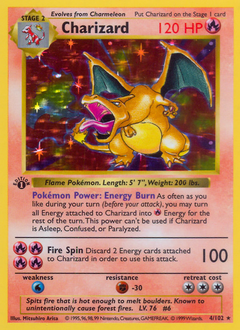
Pokemon TCG prices move because supply, condition, language, seller reputation, grading, regional demand, and recent sales all move independently. A trend price is a useful signal, but it is not a guarantee that a specific copy is worth that number.
The safer workflow is to open the reference card, confirm identity, then compare market snapshots. Use the TCG hub and collector workflow before comparing value.
A PSA, BGS, or CGC slab is a different product from a raw card. Track the grade separately.
Japanese, English, and European-language prints can behave differently in both supply and demand.
An old listing and an available offer are not the same signal. Availability changes the interpretation.