Why TCG research is easy to get wrong
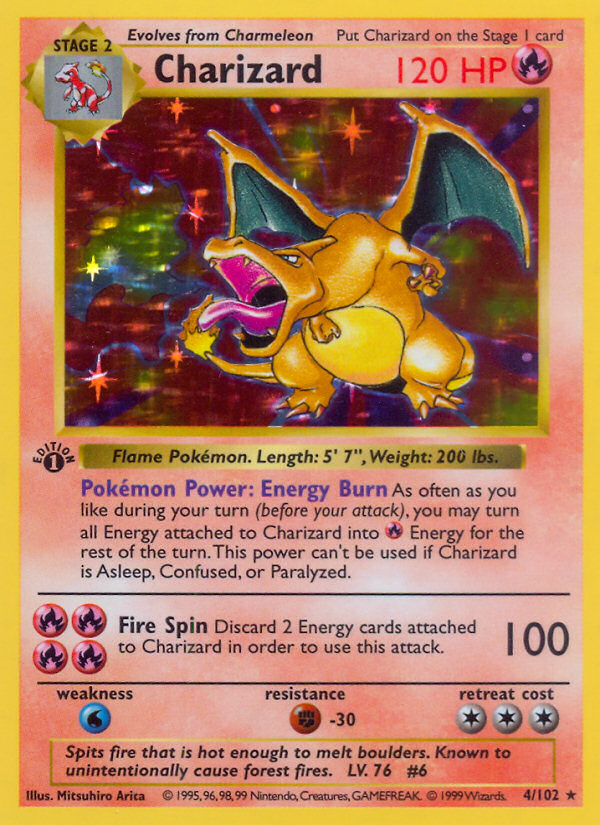
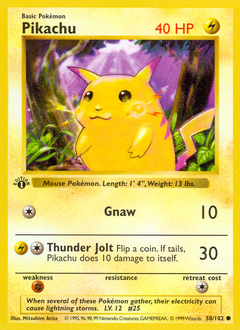
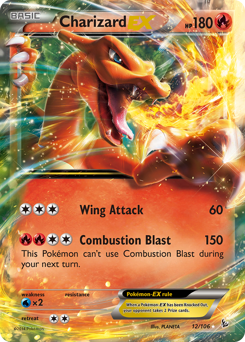
Many Pokemon cards share the same name. A search for Charizard, Pikachu, Mewtwo,
Lugia, or Eevee can return dozens of different cards across eras, languages,
promos, reverse holo prints, stamped variants, special arts, and reprints. That
is why a useful card note should never stop at the card name. It should identify
the set, collector number, rarity, language, finish, condition, and the reference
page used to normalize the data.
For a complete card reference, start with the local
price workflow,
set checklist notes, and
collector checklist. A classic high-signal
example is Charizard Base #4, but the same workflow applies to any card.
Cluster 1: card prices and market signals
Price research should separate identity from valuation. First confirm the exact
card; then compare recent trend, average, low, currency, condition, and stock.
A rare holo in poor condition and a graded near-mint copy are different market
objects even if the artwork is identical.
Read the companion guide:
Pokemon TCG prices and value notes.
Cluster 2: sets, checklists, and sealed products
Set-level research is useful when building a binder, comparing a partial
collection, or checking sealed product availability. Set pages help connect
cards, chase cards, release dates, collector numbers, and sealed product
categories like booster boxes, ETBs, tins, bundles, and collection boxes.
Read the companion guide:
Pokemon TCG sets and checklist notes.
How Pokedex species context improves TCG notes
TCG cards are collectibles, but they also inherit species context. When a card
belongs to Charizard, Pikachu, Mew, Eevee, Gardevoir, Rayquaza, or Greninja,
the Pokedex page helps normalize names, forms, types, evolutions, and national
dex numbers. This is especially useful for cards with regional forms, alternate
forms, baby evolutions, or split evolution families.