Cluster 1: chart workflow
A type chart becomes useful when it is read in the correct direction: attack first, defense second, then dual-type multiplication.
Type matchup hub
Start with the attacking type, confirm the defending type or dual type, then record weakness, resistance, immunity, or neutral damage with a stable reference URL.

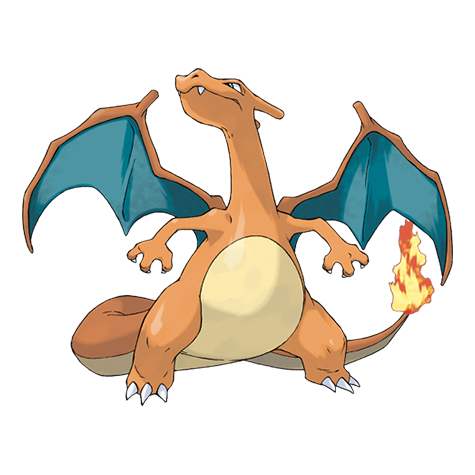
A Pokemon type chart is easiest to use when the question is specific. If the question is "does Electric work here?", the attacking type is Electric. If the target is Water/Flying, both defensive types matter. One defensive type can be weak while the other is neutral, resistant, or immune, which is why dual typing must be calculated rather than guessed.
Use the local support pages to break this down: type chart workflow, weaknesses and resistances, and dual-type examples.
| Field | Why it matters | Example |
|---|---|---|
| Attacking type | The move or damage category being tested. | Electric |
| Defending type | The target's first and second type, if any. | Water / Flying |
| Modifier | The final result after weakness, resistance, and immunity are combined. | 4x super effective |
| Species context | Connects the matchup to a real Pokemon and its forms. | Dual-type example |
| Reference URL | Keeps the note auditable and avoids copied chart errors. | Local type hub plus canonical source |
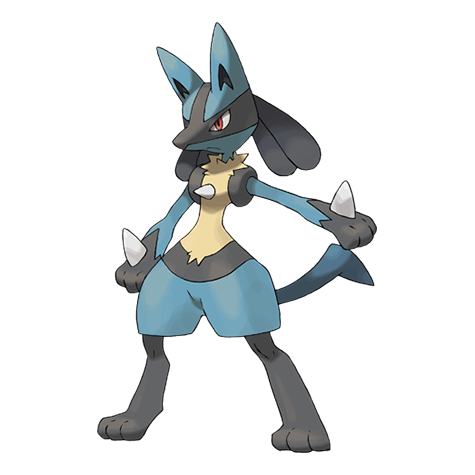
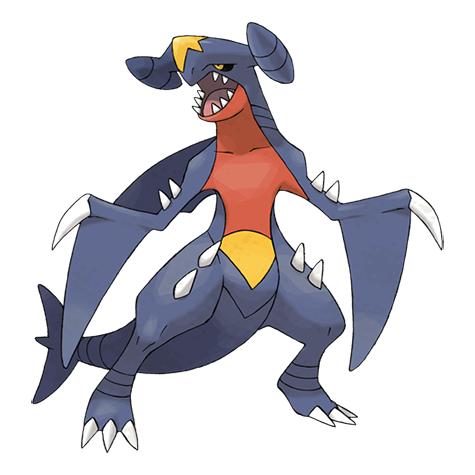
A type chart becomes useful when it is read in the correct direction: attack first, defense second, then dual-type multiplication.
Weaknesses are not always simple. Immunities, double resistances, and form changes can make a plain note misleading.
Core type logic is stable in modern games, but context matters. TCG weakness and resistance are card-specific and should be documented separately.
Because both defensive types apply. A weakness can become neutral, or two weaknesses can combine into a 4x result.
Yes. A species page helps confirm forms, evolution family, and naming before matchup notes are reused.