Cluster 1: evolution methods
Level, item, trade, friendship, time, move, location, and form-based triggers should be documented as separate methods.
Evolution route hub
Good evolution research records the base species, evolved species, trigger, condition, form context, and game-era caveats so the route can be checked later.
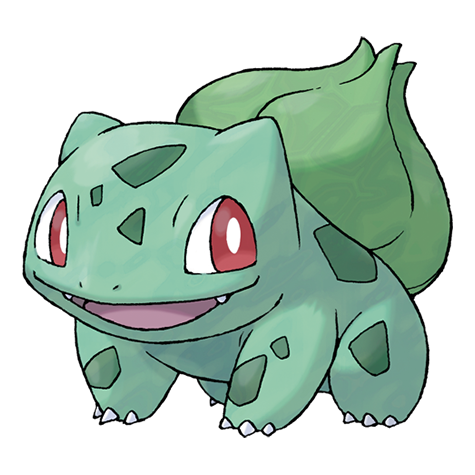
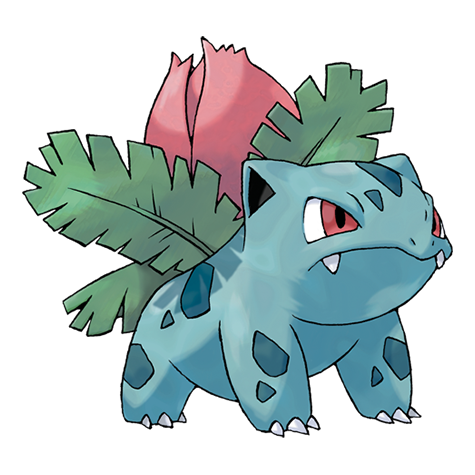

Simple three-stage lines are easy to remember, but many Pokemon use special triggers: evolution stones, trades, friendship, time of day, known moves, gender, weather, location, regional forms, or game-specific conditions. A reference that only lists "base evolves into next stage" loses the most useful part of the rule.
Start with the local method guide, stone and item notes, or Eevee family guide, then record the exact evolution requirement.
| Field | Why it matters | Example |
|---|---|---|
| Base species | The starting point of the route. | Eevee |
| Evolution target | The exact next species or final species being reached. | Vaporeon |
| Trigger | The action or condition needed for the evolution. | Water Stone |
| Context | Game, generation, form, time, location, or other caveat. | Item evolution |
| Reference URL | Keeps the route verifiable and easy to revisit. | Local route note plus canonical source |
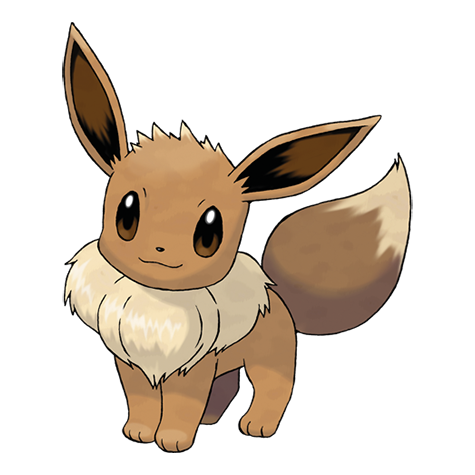

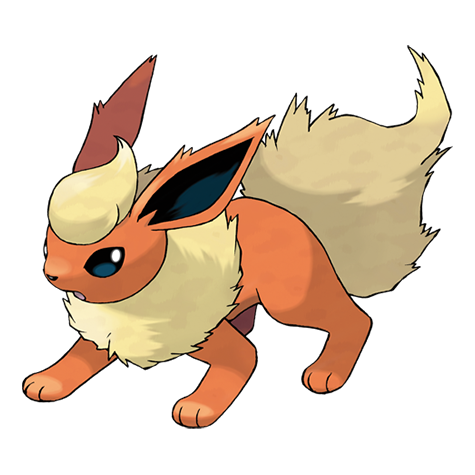
Level, item, trade, friendship, time, move, location, and form-based triggers should be documented as separate methods.
Item evolutions and branching families like Eevee need especially clear notes because the same base species can lead to many outcomes.
No. Many Pokemon evolve through items, trades, friendship, moves, forms, time, or location.
Some methods and availability details change across games. Context prevents a correct note in one game from becoming misleading in another.
Yes. Evolution can change typing, which affects matchup, collection, and guide-writing notes.